
-
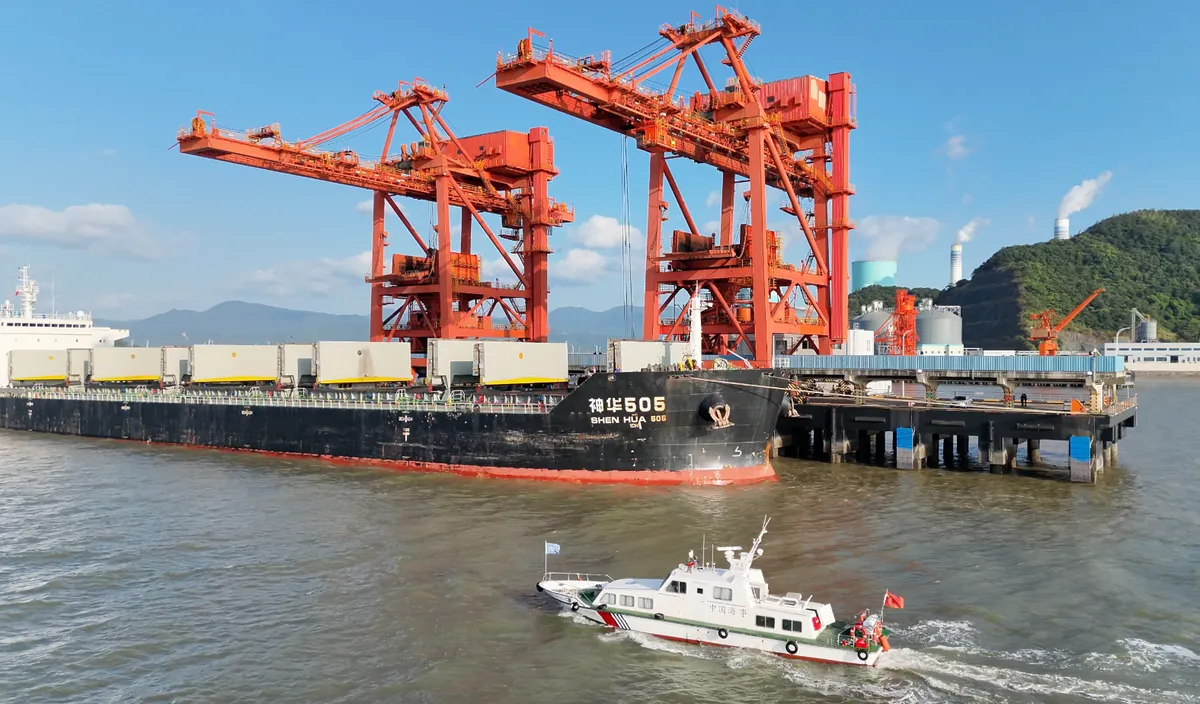 Typhoon White Dolphin approaches Ningbo coast, prompting emergency level III measures. Key energy materials are being unloaded swiftly to ensure uninterrupted supply.
 -
 The Hebei Maritime Bureau reviewed its reform progress and announced new innovative measures to drive development, strengthen coordination, and focus on tangible results.
 -
Shanghai Port sets record with 203,881 TEU single-day throughput, showcasing resilience and efficiency as a global shipping hub despite challenges like Typhoon 'Bavi'.
-
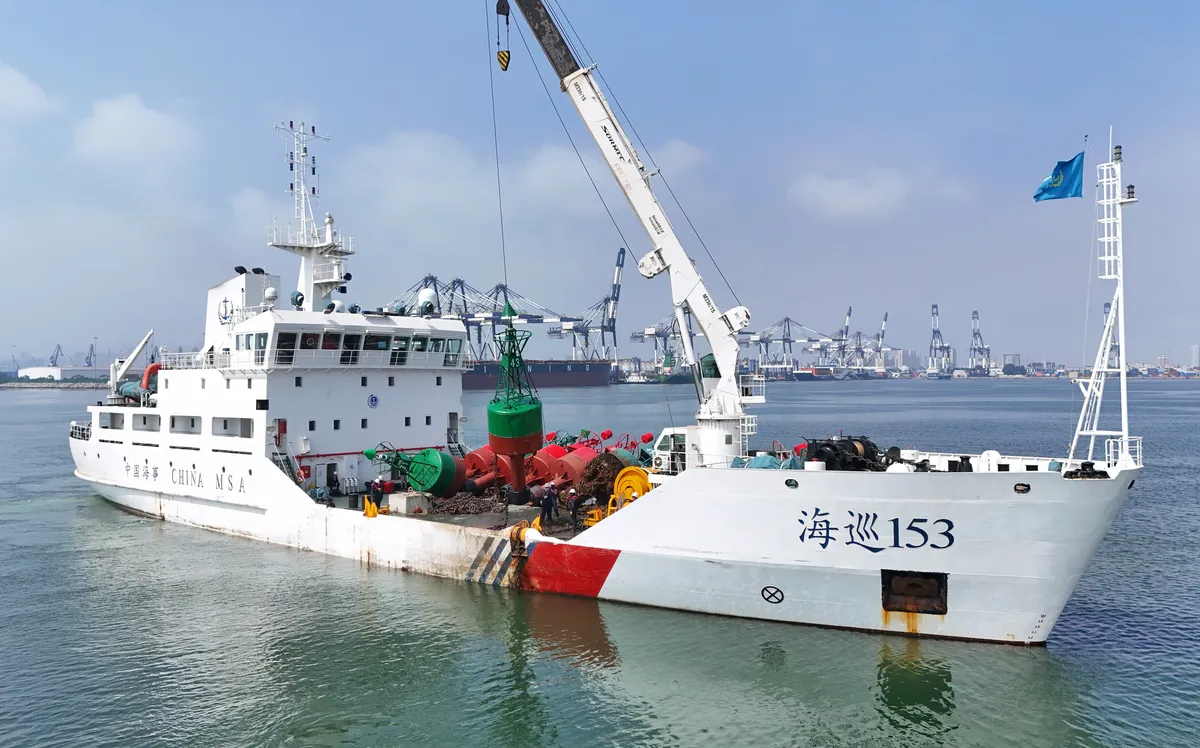 Yantai Navigation Aid Office commences summer buoy replacement in major ports, ensuring maritime safety through precise planning and coordination with related units.
 -
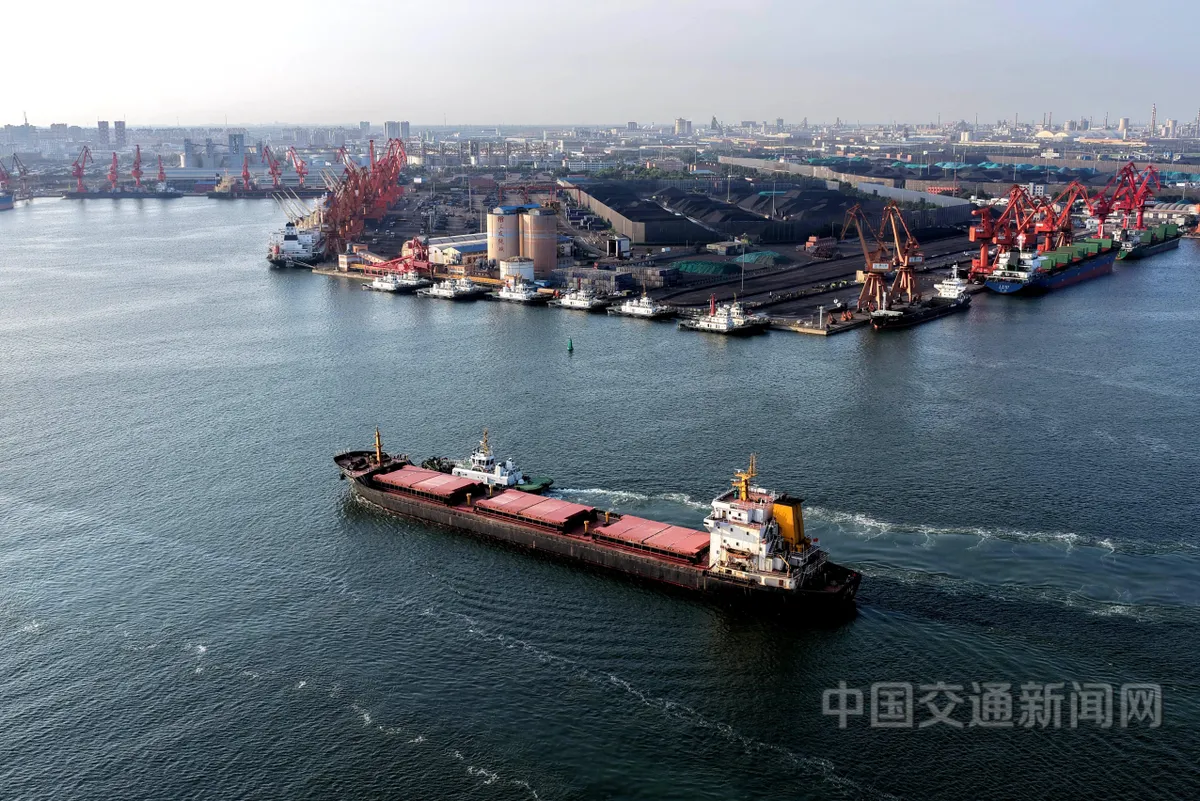 Tangshan Port achieved 4.46 million tons of cargo throughput in H1 2023, boosting trade and manufacturing with multi-modal logistics and expanded transport routes.
 -
 Enhance online visibility with comprehensive SEO techniques. Target the right audience with strategic keyword optimization and impactful meta descriptions.
 -
 Cross-Strait youth gather to explore China's shipbuilding heritage and modern maritime advancements, strengthening historical and cultural ties through shared experiences.
 -
 As of April 27, Erlianhot Railway Port, as the only entry and exit port in the China-Europe train channel, has passed 1515 trains of China-Europe trains this year, transporting goods 144900 standard containers, a significant increase over the same period last year. By deepening Sino-Mongolian cooperation and optimizing the operation process, the port has reduced the customs clearance time to 30 minutes, with 75 train lines, covering more than 70 hub stations in more than 10 countries such as Germany and Poland.
 -
United Nations data show a 95.3 percent drop in ship traffic in the Strait of Hormuz since February 28. Global bulk food prices rose 6 per cent and European crude oil prices rose 53 per cent. The escalating military conflict in the Middle East has led to volatile shipping, energy and food prices.
-
Based on Xinhua News Agency, this paper points out that China's total import and export volume of service trade will exceed 8 trillion billion yuan in 2025, an increase of 7.4 percent over the same period last year, ranking firmly in the forefront of the world. This paper analyzes the role of visa-free policy, tariff reduction and other institutional dividends in promoting trade in services, and introduces the latest data for the first two months of 2026, emphasizing the growth of knowledge-intensive services and travel services. At present, trade in services has become a competitive highland for all countries, and China is cultivating the 'Chinese service' brand and promoting the high-quality development of trade in services by reducing foreign investment restrictions, holding service trade fairs and expanding pilot projects for the opening up of the service industry.
-
On April 22, at the 2026 Container Multimodal Transport Asia Exhibition, the China Container Industry Association launched the industry's first voluntary green product evaluation system to comprehensively evaluate the green level of containers from the five dimensions of resources, energy, environment, quality, and low carbon. 27 products of 16 enterprises were evaluated in the first batch, and the association simultaneously promoted the international mutual recognition of carbon footprint and green grading mechanism to help the industry's low-carbon transformation and market competitiveness.
-
In the first quarter of 2026, the shipping production of the Yangtze River trunk line achieved a good start, and passenger and cargo transportation showed a trend of rising quantity and quality. In terms of freight, the trunk freight volume reached 0.89 billion tons, with a significant increase in the contribution of the midstream region, while the pilot business and the leading volume of ships on international routes steadily increased, and the vitality of foreign trade transportation continued to show. At the same time, due to the stable demand for bulk materials, lock maintenance and rising fuel costs, the freight index of dry bulk cargo and containers rose slightly. The tourism passenger transport market continued to pick up, the traffic volume of inter-provincial cruise ships and urban riverside tourists increased, and the passenger carrying rate of cruise ships increased to more than 80%, providing strong support for the high-quality development of the Yangtze River Economic Belt.
-
In the first quarter of 2026, the export of foreign trade vehicles at Guangzhou Xinshagang Automobile Port increased by 160 year-on-year, of which the export of new energy vehicles was particularly outstanding, with a year-on-year increase of 163. On April 20, the "Capricorn leader", loaded with about 3500 domestic vehicles (85% of new energy vehicles), set sail for Australia to demonstrate the strength of China's automobile industry. The Guangzhou Maritime Department provides full-chain security for exports through refined services such as "one ship, one policy" and priority channels, helping Chinese brands increase their market share in Australia to nearly 1/4.
-
Nanjing is the only "five-type" national logistics hub carrying city in East China that integrates port type, dry port type, airport type, production service type and business service type. With its hard core resources of "100 million ton port, 10 million level airport and national high-speed rail hub", Nanjing has built a four in one efficient logistics system of "air, iron and water public. Through detailed data and project progress, the article shows Nanjing's outstanding achievements in logistics infrastructure construction, multimodal transport mode innovation, international train expansion and service regional industries, and explains in depth how it links the world with a high level of openness, serves the "the belt and road initiative" and the new development pattern of double circulation, and shoulders the "hard core responsibility" of Yangtze River Delta logistics ".
-
Henan Province passed the first comprehensive inland river shipping local regulations "Henan Province Inland River Shipping Regulations", which will come into effect on July 1. The regulations emphasize that waterway planning should follow the principles of ecological protection and comprehensive utilization, and port planning should be moderately advanced. The regulations require the promotion of big data, artificial intelligence and other technologies, the integration of shipping data resources, promote the digital and intelligent development of inland waterway shipping, and improve the efficiency of industry supervision and the intelligent level of lock management. At the same time, the regulations clearly build a modern inland shipping network, develop a multimodal transport system, and promote the layout of port industries to support the integration of the regional economy into the national unified market.
-
Mall
-
Asia Pavilion
- China
- Vegetable
- Fruit Category
- Aquatic Product
- Grains And Products
- Tea
- Meat And Products
- Other Characteristic Agricultural Products
- India
- Rice
- Spice
- Aquatic Product
- Meat
- Sugar And Sugar Products
- Tea
- Cotton And Textiles
- Fruit
- Vegetable
- Thailand
- Rice
- Oil
- Rubber
- Tropical Fruits
- Aquatic Product
- Cassava And Its Products
- Sugar And Sugar Products
- Meat
- Flowers And Plants
- See more of Vietnam
- Rice
- Fruit Category
- Coffee
- Aquatic Product
- Nut
- Wood Products And Forest Products
- Rubber And Products
- United Kingdom
- Palm Oil
- Coffee
- Aquatic Product
- Rubber And Products
- Cocoa And Its Products
- Spice
- Rice
- TüRkiye
- Nuts And Dried Fruits
- Fresh Fruit
- Olives And Olive Oil
- Grains And Legumes
- Egg
- Aquatic Product
- Cotton
- The Philippines
- Fruit
- Aquatic And Seafood Products
- Nuts And Products
- Coffee And Its Products
- Other Agriculture Products
- Pakistan
- Rice
- Fruit Category
- Vegetables
- Nuts And Products
- Sugar And Sugar Products
- Aquatic Product
- Cotton
- Israel
- Fruit Category
- Vegetables
- Flowers And Plants
- Cotton
- Other Agriculture Products
- Dairy Products
-
America Pavilion
-
Africa
-
Europe
- Netherlands
- Flowers And Ornamental Plants
- Vegetable
- Dairy Products
- Meat
- Fruit
- Seeds And Seedlings
- Fish And Seafood Products
- Germany
- Dairy Products
- Meat And Meat Products
- Grains And Grain Products
- Wine
- Sugar And Candy
- Vegetables And Fruits
- Animal Feed
- France
- Grain
- Liquor
- Dairy Products
- Meat And Meat Products
- Sugar And Candy
- Animal Feed
- Vegetables And Fruits
- Seafood And Seafood Products
- Spain
- Grains And Grain Products
- Olive Oil
- Dairy Products
- Wine
- Meat
- Fish And Seafood Products
- Fruit
- Vegetable
- Italy
- Wine
- Olive Oil
- Noodles And Cereal Products
- Cheese
- Vegetables And Fruits
- Meat And Meat Products
- Coffee And Coffee Products
- Candy And Chocolate
- Belgium
- Dairy Products
- Chocolate And Cocoa Products
- Meat And Meat Products
- Animal Feed
- Liquor
- Vegetables And Fruits
- Flowers And Ornamental Plants
-
Oceania
-
Other Pacific Island Countries
-
- RAOT STR 20
- Warehouse Services
- Integrated logistics
- Expo Services
- Trade Assurance
- Financial Services