
-
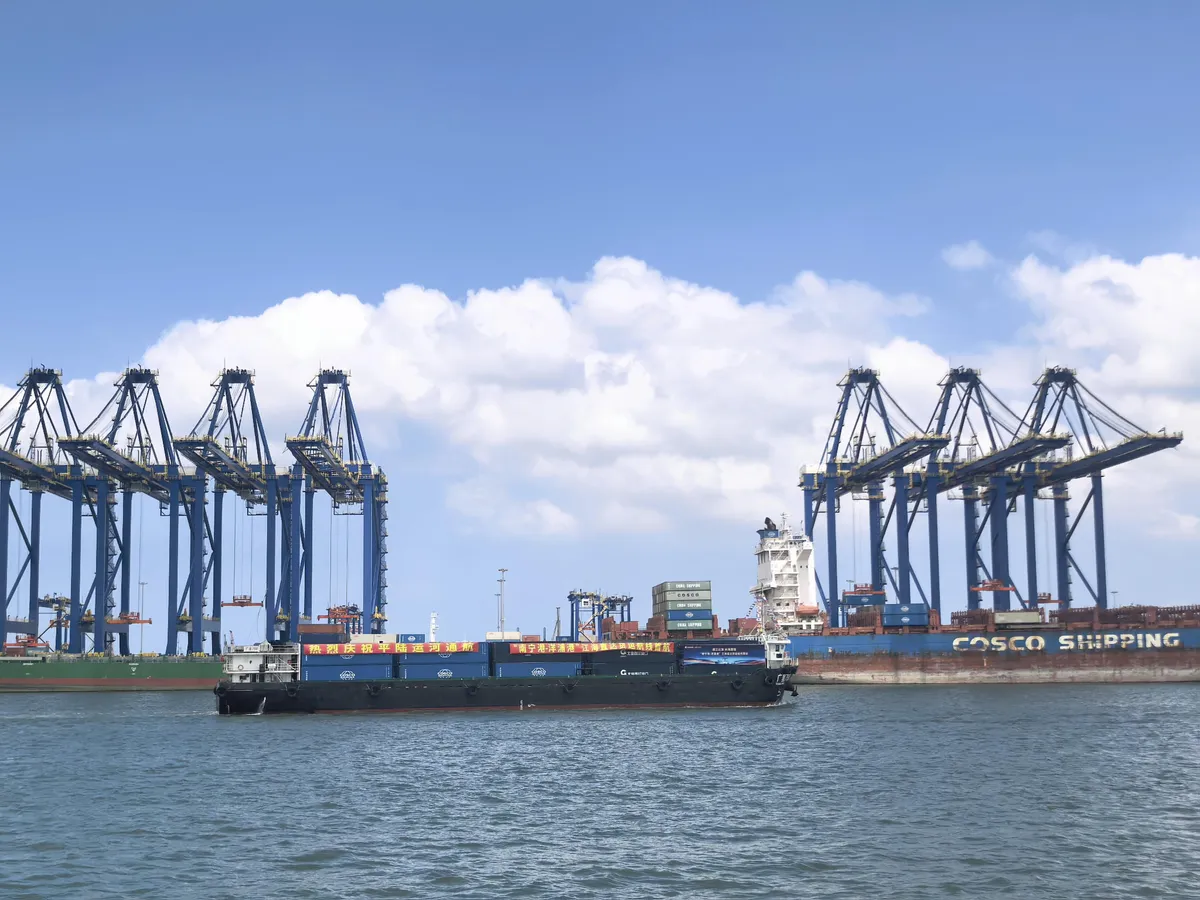 The Pinglu Canal opens, activating the ‘port-bay-river’ system and a new inland-sea trade route for the Western China Land-Sea Corridor.
 -
 发现年轻的“北鲍传媒”团队如何通过创新的媒体策略,在中国北方开创海事安全和公众参与的新局面。
 -
Ensuring maritime safety amidst the bustling fishing season through joint patrols, advanced monitoring systems, and collaborative governance in Chongming waters.
-
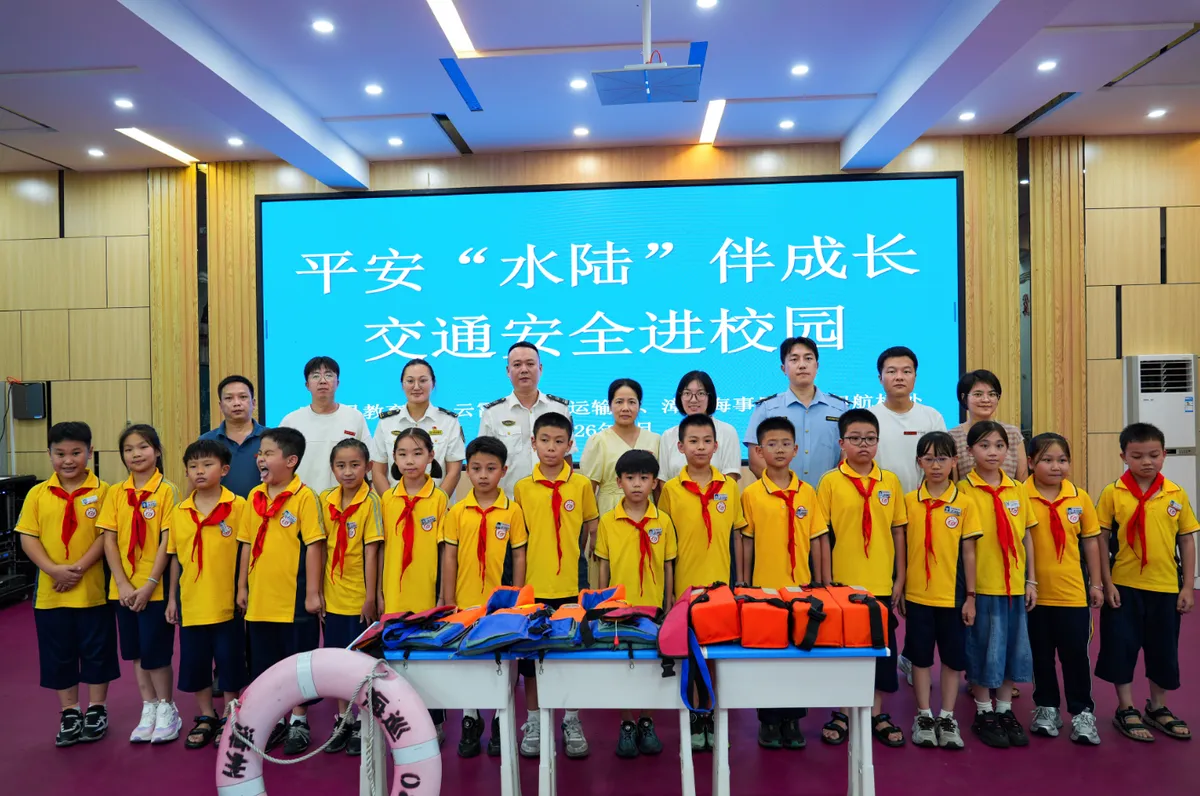 An engaging traffic safety education program was held at Yunxiao Experimental Primary School to teach students and families about water and land transportation safety.
 -
 Explore Nanjing's Yangtze River with innovative cruises that offer scenic views, cultural experiences, night tours, outstanding safety, and economic development in water tourism.
 -
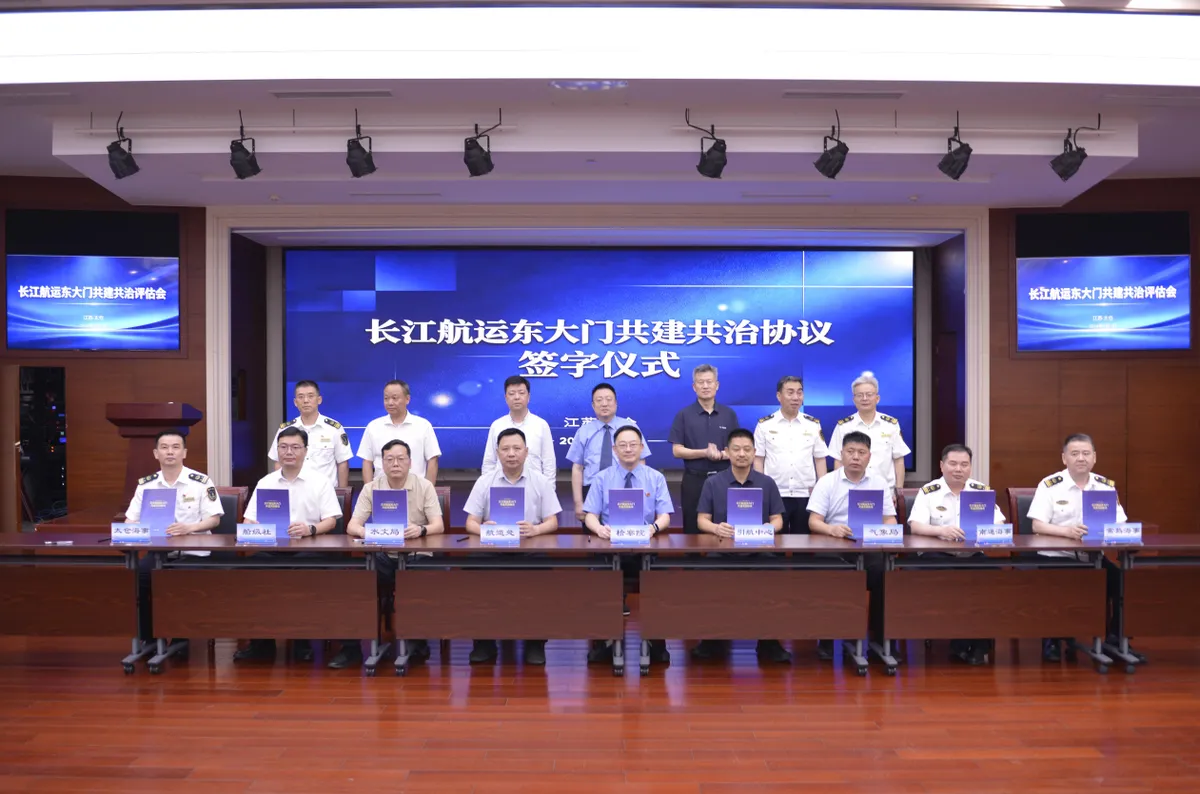 Yangtze River Shipping Gateway Alliance upgrades security with expanded collaboration for safer and more efficient maritime transport.
 -
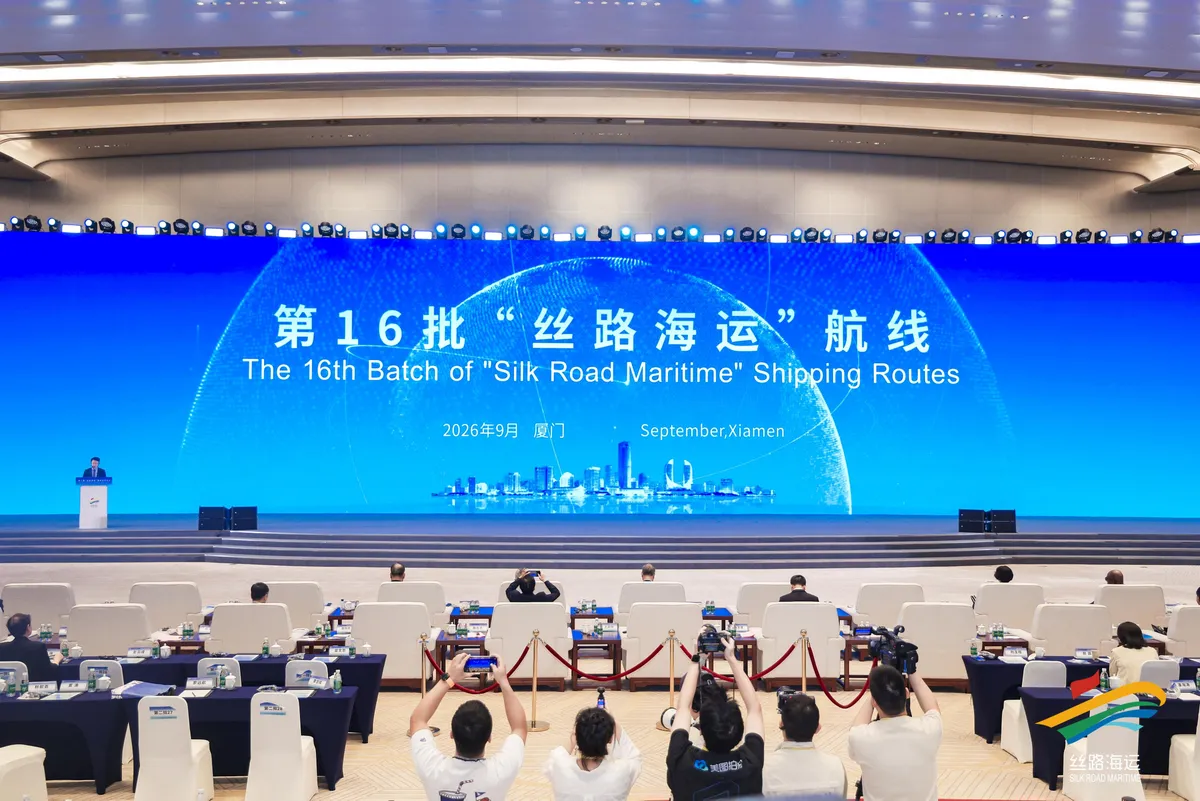 The 8th 'Silk Road Maritime' International Cooperation Forum launched in Xiamen, showcasing advancements in global shipping, trade, and port integration strategies.
 -
Ningbo Maritime Authority and Ningbo University establish a strategic partnership to enhance maritime safety, green innovation, and talent training in shipping industry.
-
Qingdao Port leverages AI and automation to revolutionize port operations, achieving world-class efficiency and driving growth in smart port innovation.
-
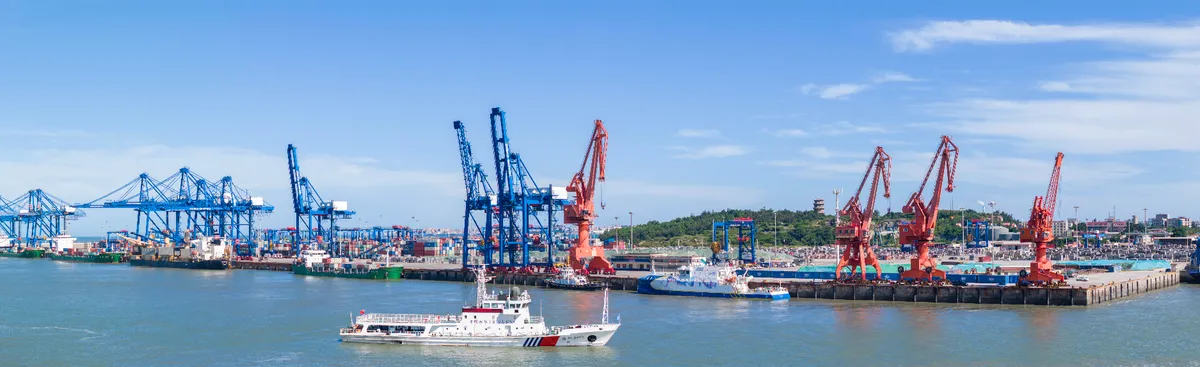 Explore Fujian's rich maritime heritage, from ancient ports of the Maritime Silk Road to modern global trade hubs, showcasing trade, resilience, and cultural exchange.
 -
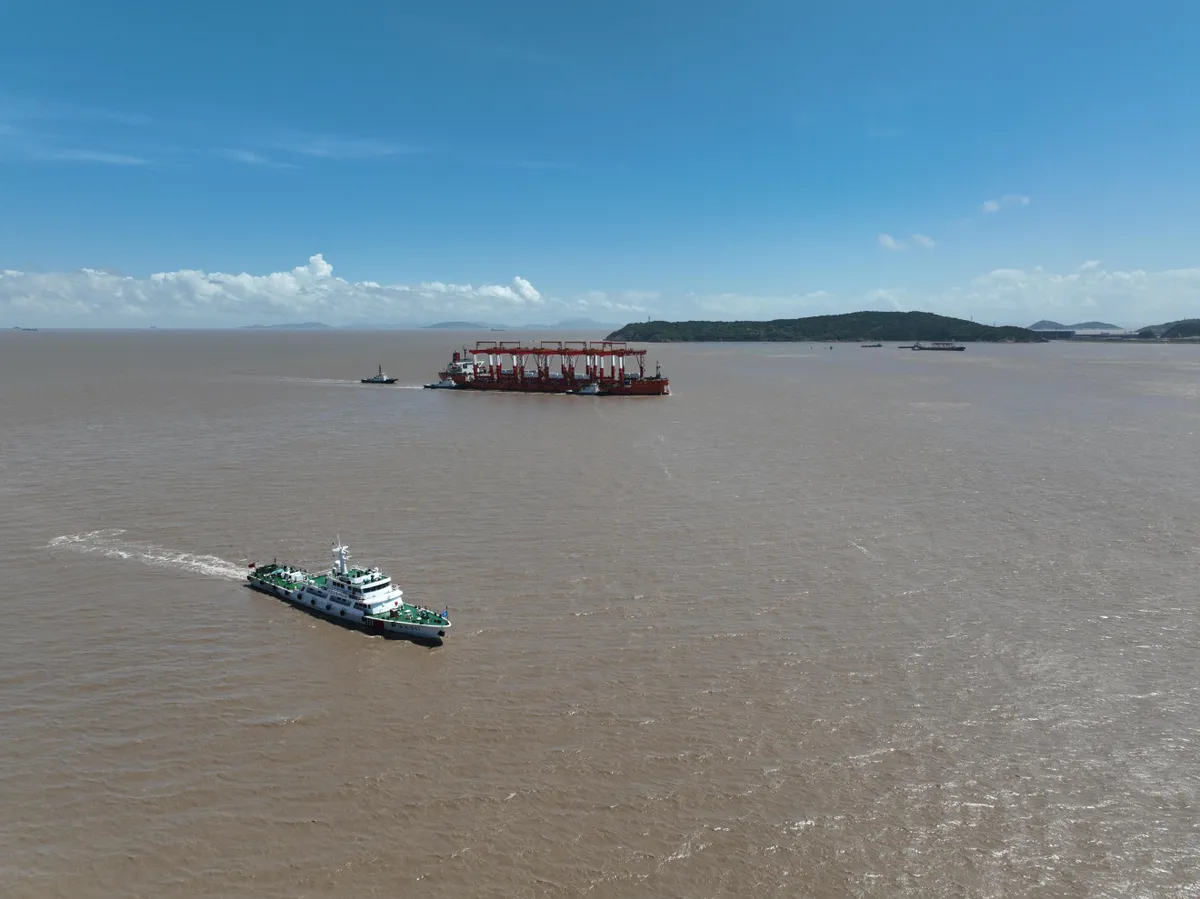 The arrival of automated gantry cranes marks a key milestone in Xiaoyangshan North Operation Area's development, advancing intelligent and automated port operations in China.
 -
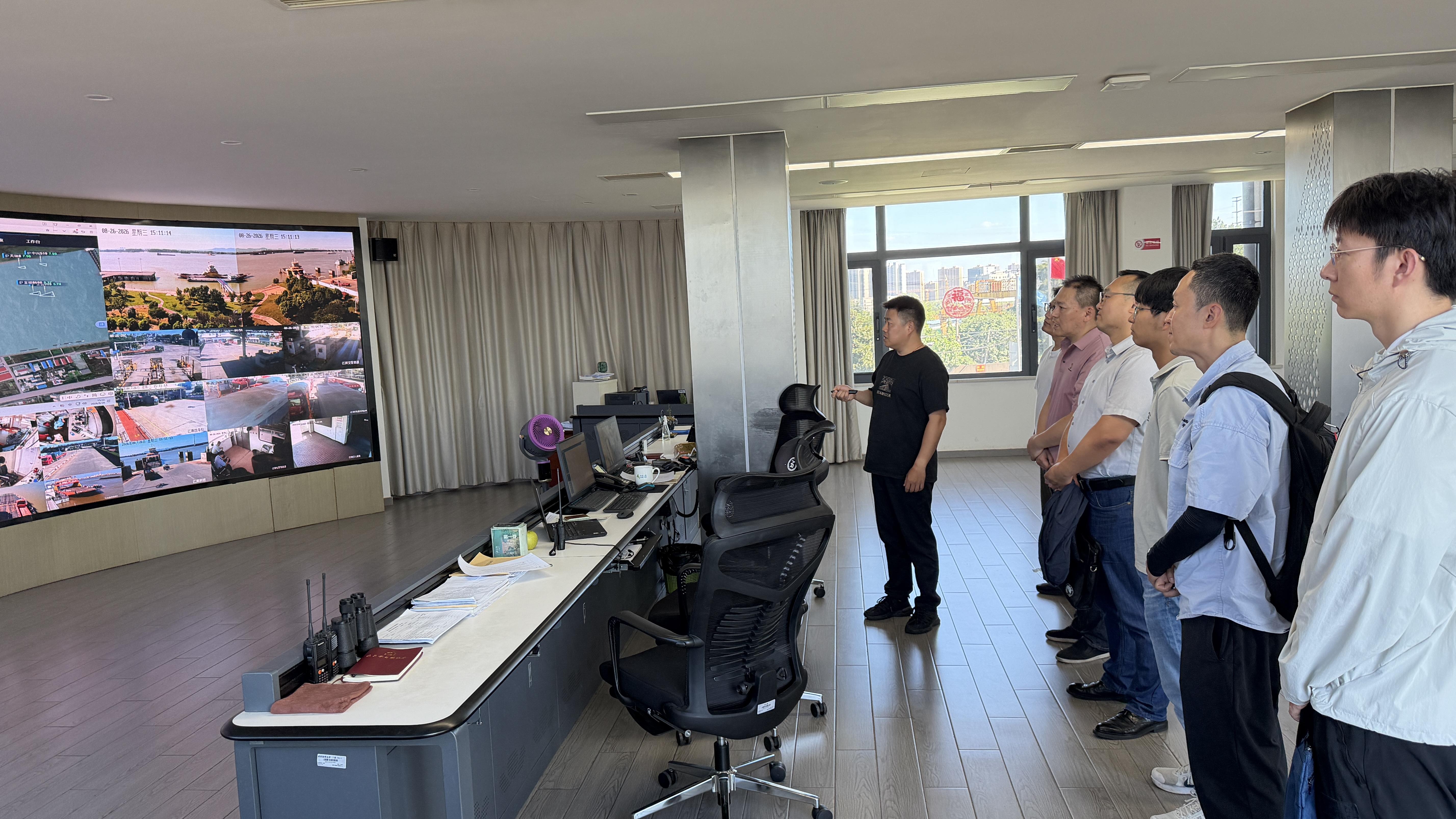 Exploring innovative paths to enhance ferry operation safety and efficiency through technology-driven smart regulation and government-enterprise collaboration.
 -
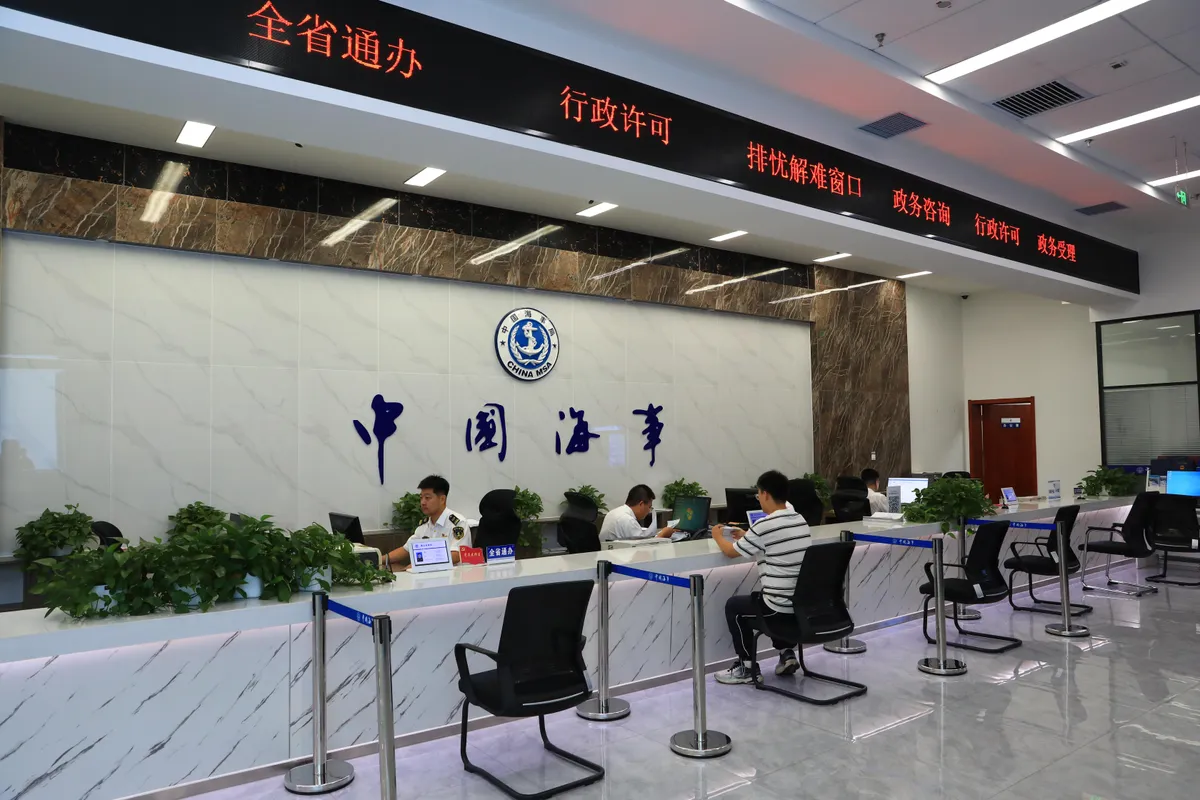 Hebei Maritime Bureau's new reforms enable 24 high-frequency services for seamless cross-regional maritime administration, boosting efficiency and convenience.
 -
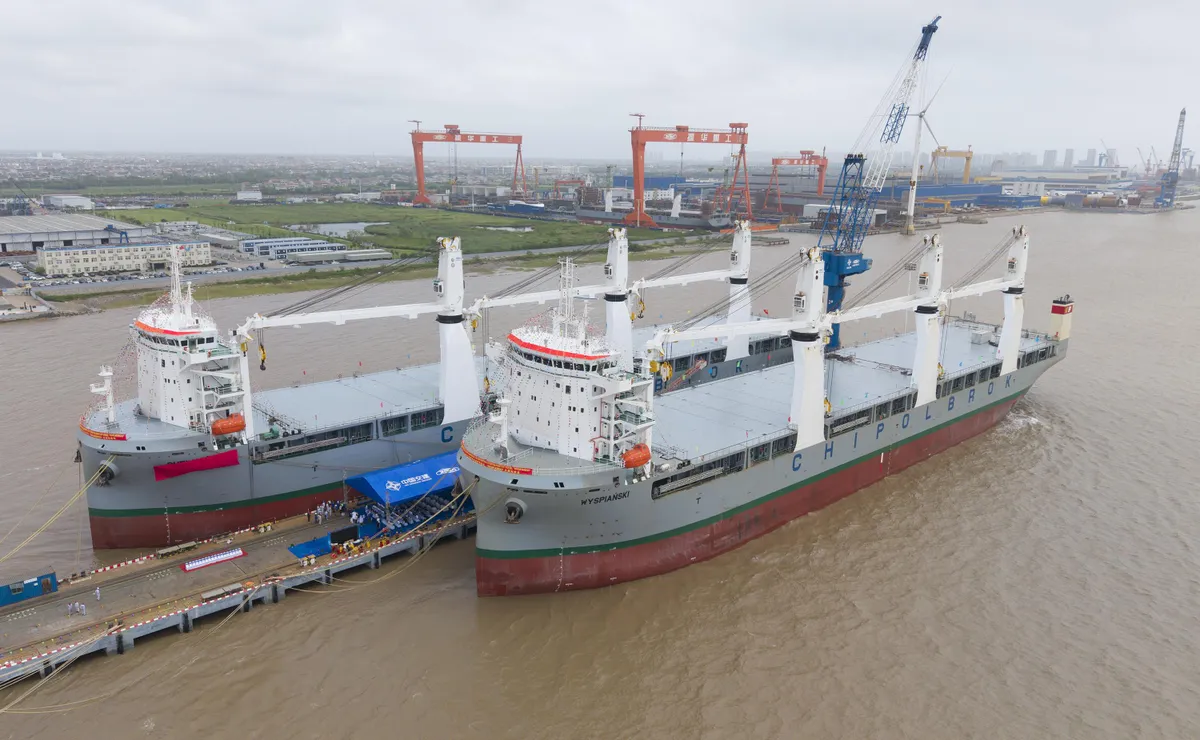 China-Poland Shipping Company celebrates its 75th anniversary by unveiling two innovative heavy-lift ships, advancing low-carbon maritime solutions and global trade.
 -
Innovative waterborne logistics in Cloud County connects lake villages with efficient postal services, enhancing rural infrastructure and improving daily convenience.
-
Mall
-
Asia Pavilion
- China
- Vegetable
- Fruit Category
- Aquatic Product
- Grains And Products
- Tea
- Meat And Products
- Other Characteristic Agricultural Products
- India
- Rice
- Spice
- Aquatic Product
- Meat
- Sugar And Sugar Products
- Tea
- Cotton And Textiles
- Fruit
- Vegetable
- Thailand
- Rice
- Oil
- Rubber
- Tropical Fruits
- Aquatic Product
- Cassava And Its Products
- Sugar And Sugar Products
- Meat
- Flowers And Plants
- See more of Vietnam
- Rice
- Fruit Category
- Coffee
- Aquatic Product
- Nut
- Wood Products And Forest Products
- Rubber And Products
- United Kingdom
- Palm Oil
- Coffee
- Aquatic Product
- Rubber And Products
- Cocoa And Its Products
- Spice
- Rice
- TüRkiye
- Nuts And Dried Fruits
- Fresh Fruit
- Olives And Olive Oil
- Grains And Legumes
- Egg
- Aquatic Product
- Cotton
- The Philippines
- Fruit
- Aquatic And Seafood Products
- Nuts And Products
- Coffee And Its Products
- Other Agriculture Products
- Pakistan
- Rice
- Fruit Category
- Vegetables
- Nuts And Products
- Sugar And Sugar Products
- Aquatic Product
- Cotton
- Israel
- Fruit Category
- Vegetables
- Flowers And Plants
- Cotton
- Other Agriculture Products
- Dairy Products
-
America Pavilion
-
Africa
-
Europe
- Netherlands
- Flowers And Ornamental Plants
- Vegetable
- Dairy Products
- Meat
- Fruit
- Seeds And Seedlings
- Fish And Seafood Products
- Germany
- Dairy Products
- Meat And Meat Products
- Grains And Grain Products
- Wine
- Sugar And Candy
- Vegetables And Fruits
- Animal Feed
- France
- Grain
- Liquor
- Dairy Products
- Meat And Meat Products
- Sugar And Candy
- Animal Feed
- Vegetables And Fruits
- Seafood And Seafood Products
- Spain
- Grains And Grain Products
- Olive Oil
- Dairy Products
- Wine
- Meat
- Fish And Seafood Products
- Fruit
- Vegetable
- Italy
- Wine
- Olive Oil
- Noodles And Cereal Products
- Cheese
- Vegetables And Fruits
- Meat And Meat Products
- Coffee And Coffee Products
- Candy And Chocolate
- Belgium
- Dairy Products
- Chocolate And Cocoa Products
- Meat And Meat Products
- Animal Feed
- Liquor
- Vegetables And Fruits
- Flowers And Ornamental Plants
-
Oceania
-
Other Pacific Island Countries
-
- RAOT STR 20
- Warehouse Services
- Integrated logistics
- Expo Services
- Trade Assurance
- Financial Services