Ningbo Launches "First Lesson of Fishing" to Prevent Collision Accidents of Commercial Fishing Vessels
On August 14, the Ningbo Maritime Safety Administration, in collaboration with the Ningbo Marine Economy Development Bureau, organized the "First Lesson of Fishing Season" collision prevention education activity for commercial and fishing vessels. The safety education was conducted both online and offline, covering over 390 shipping companies and more than 2,000 commercial and fishing vessel crew members across the city. The activity focused on reviewing real accident cases, interpreting collision avoidance guidelines, and providing practical Q&A sessions, transforming legal provisions into easy-to-understand and memorable operational tips to tighten the safety valve for the "small fishing season" in the East China Sea.
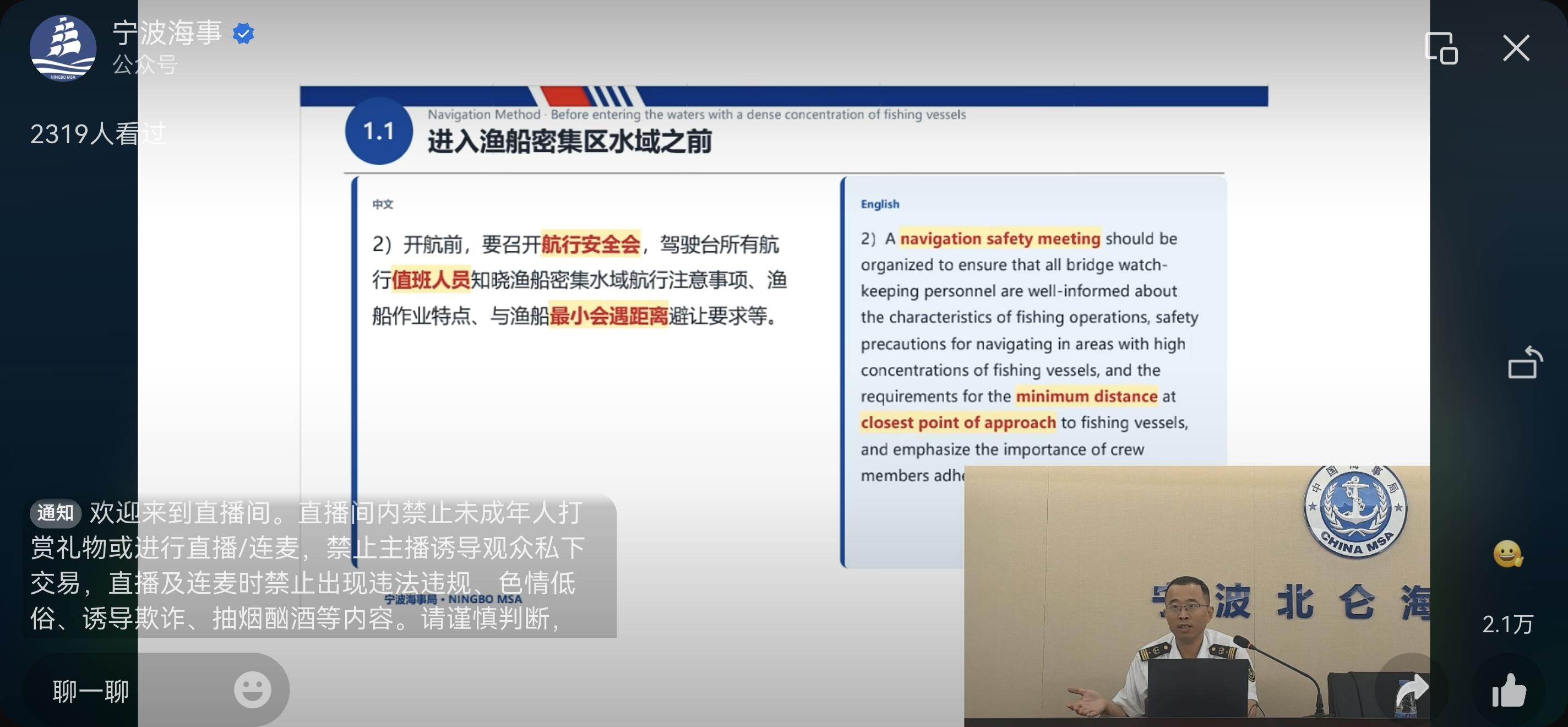
"Accident investigation is not just about assigning blame; it’s about thoroughly explaining 'why the collision happened.'" Veteran accident investigator Pan Yongliang analyzed real cases from three dimensions: ship operation techniques, corporate safety management, and maritime navigation laws and regulations. He pinpointed core issues such as lax watchkeeping and hesitation in avoidance maneuvers, stating, "These details are the line between life and death, and there’s no room for luck." His words resonated with the crew members present, who nodded repeatedly in agreement.
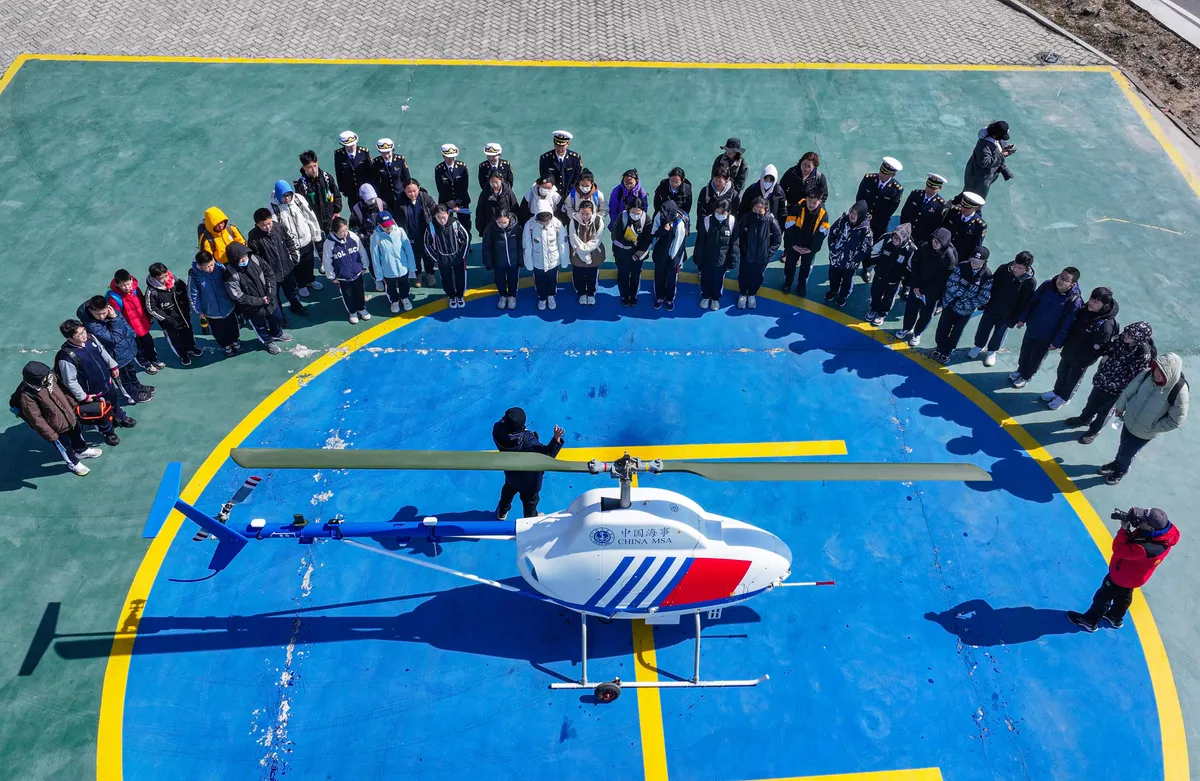
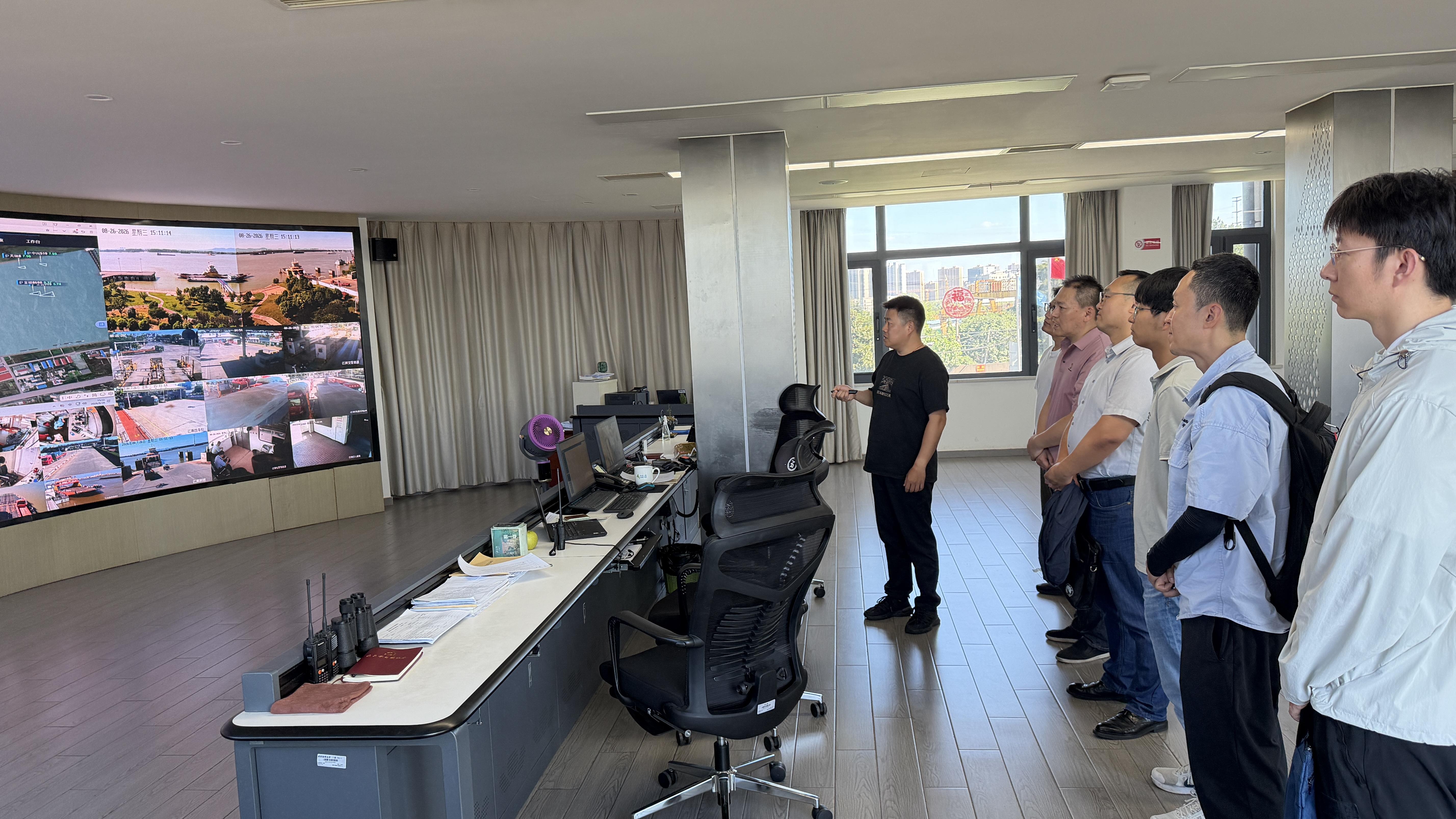
Outside the classroom, a safety protection network for commercial and fishing vessels centered around "people, routes, ships, and management" is being rapidly strengthened. Focusing on people, efforts are being made to solidify crew safety awareness education, enhance crew competency checks, and reinforce the shore-based management responsibilities of shipping companies and dispatch agencies. Regarding routes, dynamic waterway control is being coordinated through patrol boats and drones to consolidate the navigation pattern of "each vessel following its designated route." For ships, onboard safety education and vessel inspections are being implemented, with immediate rectification of issues such as inadequate watchkeeping and unimplemented preventive measures, achieving closed-loop management of potential hazards. In terms of management, cross-level duty shifts at the municipal, county, and township levels are being deepened, leveraging the collaborative platform of the joint management center to work with fishery authorities to enhance commercial and fishing vessel co-management, ensuring safety responsibilities are enforced for every voyage and every watch.
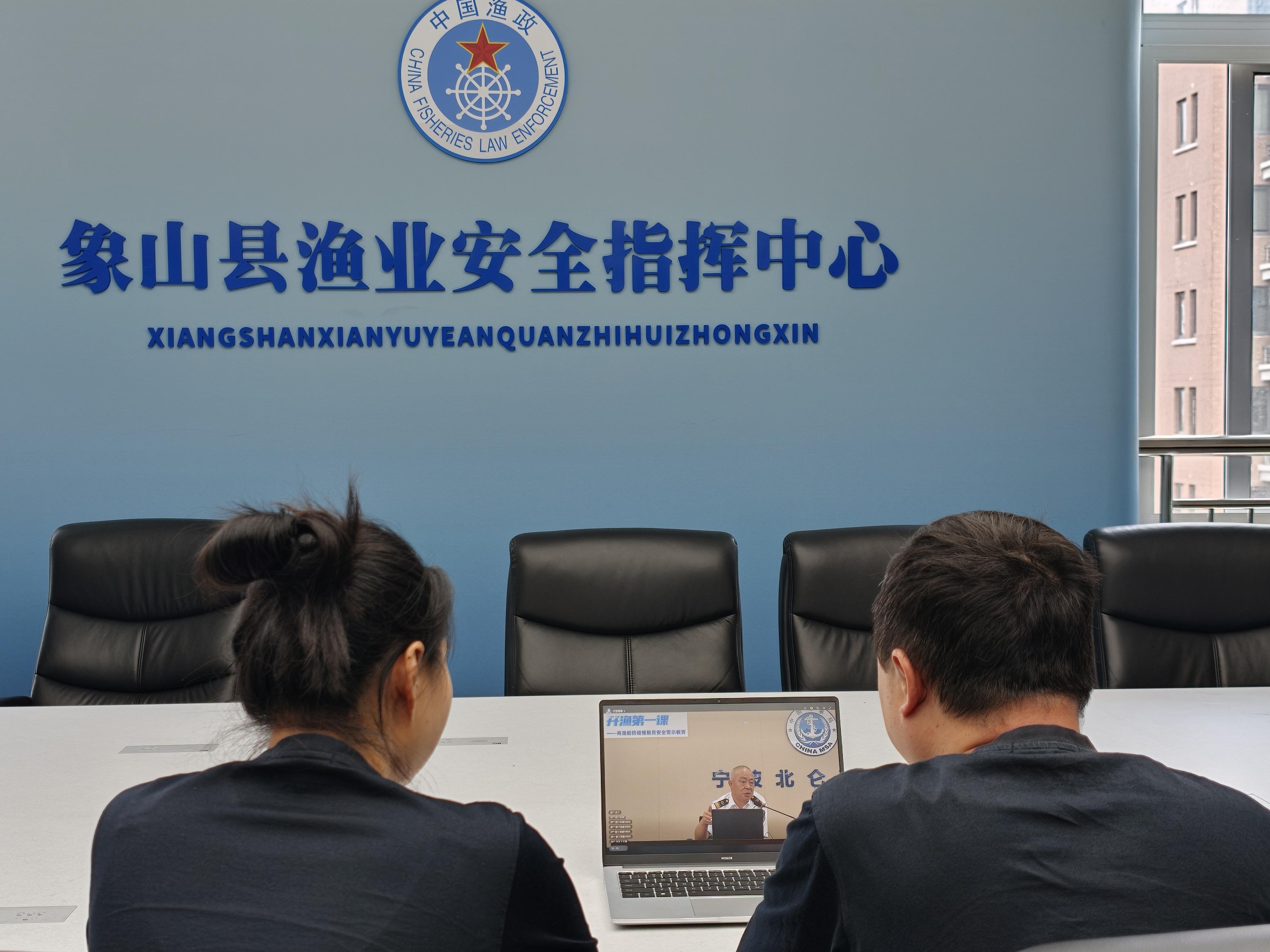
From a single safety warning lesson to a comprehensive chain of preventive measures, maritime authorities are driving the integration of commercial and fishing vessel safety concepts from the classroom to the sea, and from regulations to frontline operations. Through precise strategies, they are safeguarding the East China Sea after the fishing season begins, ensuring that every commercial vessel and fishing boat can set sail safely and return smoothly.
-
Crossing Mountains and Seas, Together Embarking on a Green Voyage — An Account of the International Training Program on Green and Low-Carbon Ship Technology Under the Belt and Road Initiative4175
-
Bohai Bay Guangli Port Area launched a volunteer service activity titled "Caring for Fishermen's Children."4828
-
An integrated buoy light's new type of main-auxiliary light base debuts in Nanjing.4614
-
Digital Intelligence Integration Empowering Collaboration for a New Voyage—China Classification Society Holds Shanghai Regional Committee's 2026 Annual Meeting3383
-
Shanghai Waterborne "One-Stop" Dispute Resolution Center (Yangpu Sub-Center) successfully mediates a ship reimbursement dispute worth 160,000 yuan.4133