The Yangtze River’s main navigation channel posted a strong start to 2026, with both passenger and cargo volumes experiencing robust growth in both quantity and quality.
On April 20, it was learned from the Yangtze River Shipping Administration of the Ministry of Transport: In the first quarter, the freight demand on the Yangtze River trunk line steadily increased, foreign trade transportation showed vitality, shipping freight rates slightly rose, and the volume and quality of tourism passenger transport improved simultaneously, achieving a good start overall and providing strong support for the high-quality development of the Yangtze River Economic Belt.
Freight production remained stable overall, with the central region continuing to exert strength. In the first quarter, ships navigating the Yangtze River trunk line completed a freight volume of 890 million tons and a cargo turnover of 279.9 billion ton-kilometers, both showing steady growth year-on-year. Among them, the freight volume of ships from Yangtze tributaries to trunk line ports increased by 8.6% year-on-year, continuing the rapid growth trend of recent years. The freight volume in the middle reaches of the Yangtze River was 130 million tons, up 7.1% year-on-year, with its contribution to transportation growth continuing to increase.
Pilotage services grew steadily, and the vitality of foreign trade transportation continued to shine. In the first quarter, the Yangtze River Pilotage Center guided a total of 15,000 domestic and foreign ships, an increase of 3.4% year-on-year, including 11,087 international route ships, up 7.6% year-on-year. The freight volume of Yangtze River seagoing ships increased by 8.1% year-on-year, reflecting the continuous enhancement of foreign trade transportation vitality.
The freight market operated smoothly and orderly, with freight rates slightly rising. The transportation demand for bulk materials such as coal, grain, and metal ores remained stable, while industrial manufacturing activities along the Yangtze River accelerated, driving steady growth in demand for containers, machinery, and electronics. In March, simultaneous maintenance of the Three Gorges South Line ship lock and the Gezhouba No. 2 ship lock prompted upstream enterprises to stock up in advance, further boosting waterway transportation demand. The sharp rise in international crude oil prices pushed up domestic fuel costs, coupled with the phased impact of ship lock maintenance, leading to a slight overall increase in the freight rate index for bulk cargo, containers, and bulk liquid hazardous goods on the Yangtze River in the first quarter.
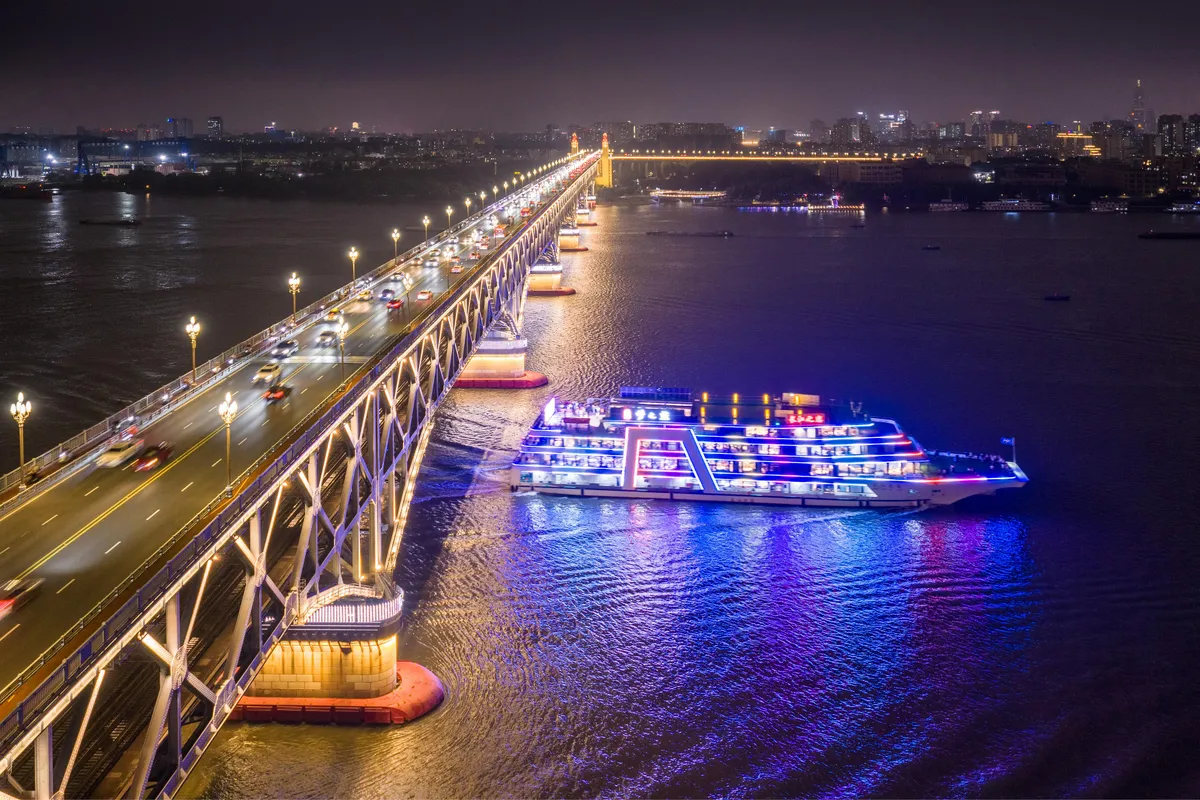
The tourism passenger transport market continued to recover, with significant improvement in both volume and quality. In the first quarter, the passenger volume of Yangtze River trunk line cruises reached 1.81 million, an increase of 2.6% year-on-year. Among them, inter-provincial cruise passenger volume was 147,000, with main routes such as Chongqing—Yichang and Wanzhou—Yichang operating steadily, and the average cruise occupancy rate increased to over 80%. Urban leisure riverside cruises remained highly popular, with passenger volume for major cities' riverside cruises reaching 1.663 million, up 3.2% year-on-year.
All-media reporter Shi Mengyuan and special correspondent Liu Bin
-
Yangpu Maritime escorts the safe docking of the inaugural vessel on the "Nanning-Yangpu, Hainan" direct inland-sea shipping route.4749
-
The Youthful "Voices" Riding the Waves: A Tribute to the Beihai Maritime Safety Center's Integrated Media Studio3147
-
Chongming Maritime Launches Special Escort Operation for the 2026 East China Sea "Fishing Opening"3844
-
Zhangzhou united multiple departments to carry out a water and land traffic safety campaign in schools.4119
-
The Nanjing Riverside Cruise welcomes its 3,000th voyage.5021